What Should You Order on Your First Visit to a Bar?

Novotel Saigon Centre
Languages

- English
- Tiếng Việt
- 简体中文
- See this hotel on all.accor.com or brand website in other languages :
What Should You Order on Your First Visit to a Bar?
Visiting a bar for the first time can leave many people unsure about what to order, especially when the menu includes a wide selection of cocktails, spirits, beers and wines. There is no need to memorise every drink name or understand every ingredient. A simpler approach is to start with your preferred flavours, your familiarity with alcohol and your budget.
For those who prefer not to drink alcohol, mocktails, mineral water and soft drinks are all complete options. To try a cocktail, describe whether you enjoy sour, sweet, fruity, sparkling or slightly bitter flavours. The bartender can use this information to suggest a more suitable drink.
1. Quick summary
- Choose a mocktail if you do not want alcohol.
- Choose a fruit-based cocktail if you prefer approachable flavours.
- Choose a highball or long drink if you want something refreshing, sparkling or served with plenty of ice.
- Choose a spritz if you enjoy light, fresh and slightly bitter flavours.
- Choose beer, cider or wine by the glass if you are already familiar with these drinks.
However, “easy to drink” does not mean low in alcohol. A sweet cocktail or one made with plenty of fruit juice can still contain a significant amount of alcohol. Before ordering, ask the bartender about the base spirit, the drink’s relative alcohol strength and whether the sweetness can be adjusted.
You could say:
“This is my first time at a bar. I like drinks that are slightly sour, not too sweet, with a subtle alcohol taste, and I would like to stay within this price range.”
A specific request like this is usually more helpful than saying, “Please give me the easiest drink to drink.”
2. What type of drink should you order on your first visit to a bar?
2.1 Mocktails if you do not want alcohol
A mocktail is a mixed drink that contains no alcohol. Many mocktails combine fruit, citrus, herbs, tea, syrup or soda to create a balanced flavour.
Mocktails are suitable when you:
- Do not drink alcohol.
- Need to drive after the gathering.
- Want to alternate between alcoholic and non-alcoholic drinks.
- Want to enjoy the bar atmosphere while controlling your alcohol intake.
Depending on the recipe, you can ask for less sweetness, additional soda or a more pronounced sour flavour.
For example:
“I would like a non-alcoholic drink that is not too sweet, with citrus flavours and a little sparkle.”
Some menus use the word “Virgin” to describe the non-alcoholic version of a familiar cocktail. A bar’s signature mocktail may use its own recipe and does not necessarily need to be based on an existing cocktail.
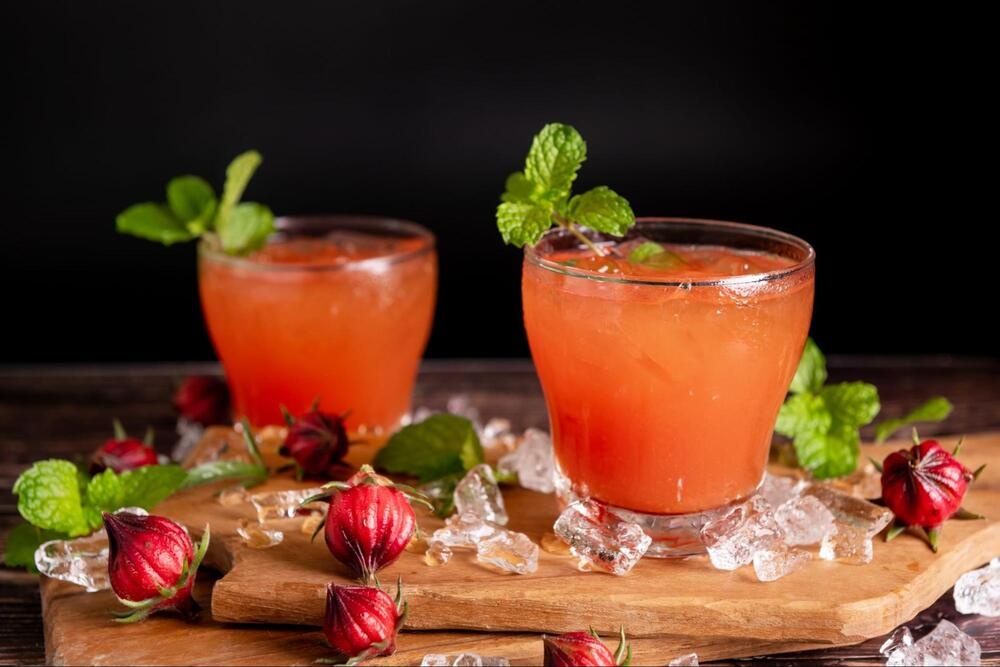
2.2 Fruit-based cocktails for approachable flavours
Fruit-based cocktails are suitable for guests who enjoy mango, pineapple, peach, passion fruit, orange or berry flavours. However, a fruity aroma does not always mean the drink will taste sweet.
A cocktail can have a noticeable fruit aroma while being balanced towards a sour or refreshing profile. Conversely, sweetness may come from syrup, sugar or liqueur rather than from the fruit itself.
Instead of saying, “Please give me a sweet cocktail,” be more specific:
“I like passion fruit, prefer moderate sweetness and do not want the alcohol flavour to be too noticeable.”
Or:
“I like pineapple, but I do not want milk or coconut cream. I would prefer the fruit flavour to be the main focus.”
Inform the bartender before ordering if you are allergic to dairy, coconut, nuts or a particular fruit. Some ingredients may have been prepared in advance and may not be fully described on the menu.
2.3 Highballs or long drinks for a refreshing taste
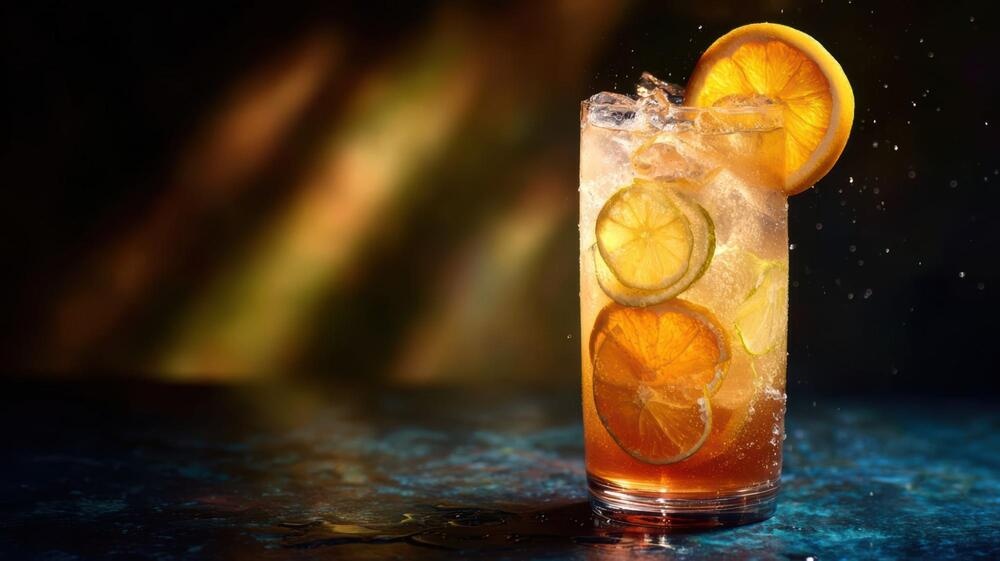
A highball typically combines a base spirit with soda or another carbonated mixer and is served in a tall glass. Long drinks are generally served with plenty of ice and a larger proportion of mixers.
These drinks often feel lighter and more refreshing when enjoyed slowly. Familiar examples may include a Gin and Tonic or Whisky Highball, depending on the bar’s menu.
You could say:
“I would like something refreshing and sparkling, not too sweet, with a subtle alcohol taste.”
Soda and ice can change how the drink tastes, but they do not remove the alcohol already used in the recipe. It is still advisable to ask about the drink’s relative alcohol strength before ordering.
2.4 Sour cocktails for a refreshing finish
Drinks made with orange, lemon, grapefruit or passion fruit often have a bright and refreshing character. Cocktails in the sour family usually balance sourness, sweetness and a base spirit.
Consider asking:
- Is the drink mildly sour or noticeably sour?
- Can the sweetness be reduced?
- Does it contain soda?
- Is egg white used to create the foam?
Cocktails such as a Daiquiri or other sour-style drinks may suit guests who enjoy tart flavours. However, recipes and alcohol strength vary between bars.
You could order by saying:
“I like citrus flavours, prefer low sweetness and moderate sourness, and do not want the alcohol to taste too strong.”
2.5 Spritzes or herbal cocktails for a slightly bitter taste
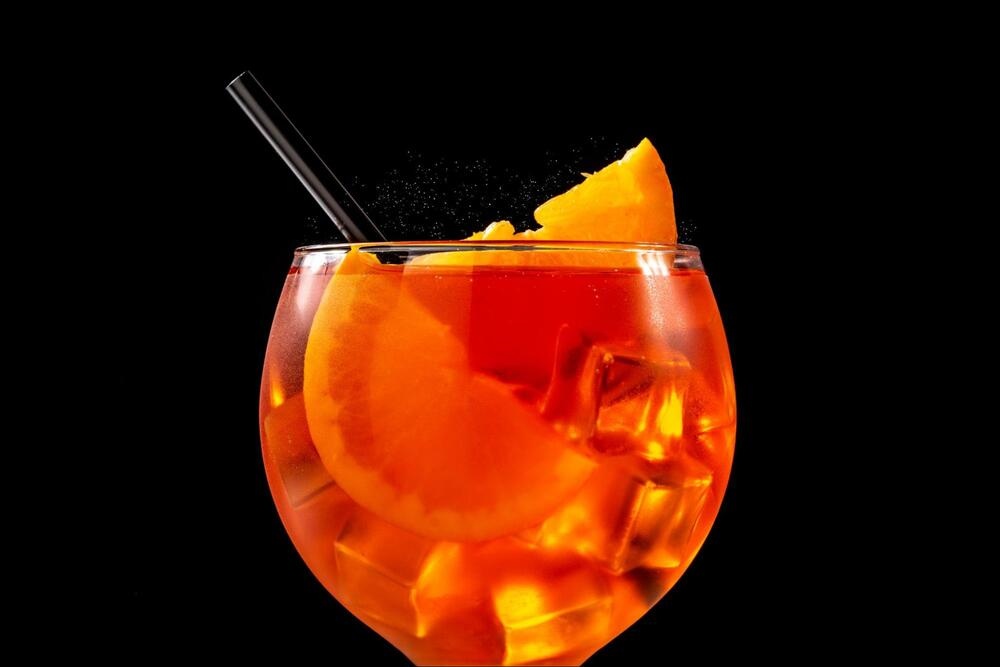
A spritz is usually served with ice and a sparkling ingredient, creating a fresh flavour with a slightly bitter finish. Cocktails made with bitters, vermouth or herbal liqueurs can also offer greater depth.
For those unfamiliar with bitter flavours, ask for a lighter option:
“I would like to try an herbal flavour, but only mildly bitter and still refreshing.”
Bitterness does not necessarily indicate a high alcohol content. However, some herbal drinks and classic cocktails may make the alcohol flavour more noticeable than fruit-based cocktails.
2.6 Spirit-forward cocktails for guests familiar with alcohol
Guests who are familiar with whisky, gin, rum or tequila may want to try a cocktail that highlights the characteristics of its base spirit. These drinks often contain less fruit juice or soda, making the alcohol flavour stronger and more noticeable.
Before ordering, ask:
- What is the base spirit?
- Is the drink heavily diluted?
- Is it served with ice?
- Is the relative alcohol strength low, medium or high?
You could say:
“I would like to taste the gin clearly, but I do not want it to be too harsh.”
Or:
“Is there a drink that retains the whisky aroma while remaining balanced and suitable for sipping slowly?”
If you are not ready to drink spirits neat, ask whether the spirit can be served as a highball or long drink.
3. Common types of drinks found at bars
3.1 Cocktails
A cocktail combines one or more base spirits with fruit juice, syrup, soda, bitters, herbs or other ingredients.
Common categories found on cocktail menus include:
- Long drinks: Usually served in tall glasses with plenty of ice and mixers such as soda, tonic or fruit juice.
- Short drinks: Served in smaller glasses with more concentrated and pronounced flavours.
- Spirit-forward cocktails: Designed to highlight the flavour of gin, whisky, rum, vodka or tequila.
- Refreshing cocktails: Often made with citrus, soda, mint, herbs or plenty of ice.
A brightly coloured or sweet-tasting cocktail does not necessarily contain less alcohol. Syrup and fruit juice may simply make the alcohol taste less noticeable.
3.2 Mocktails and other non-alcoholic drinks
In addition to mocktails, a bar may serve mineral water, soft drinks, juices, soda or tea. The exact selection depends on the venue’s menu.
You can still request adjustments to a mocktail, such as less sweetness, more acidity or additional soda. However, this depends on the ingredients already prepared and the bar’s operating procedures.
3.3 Beer and cider
Beer is available in many styles, with varying levels of bitterness and different malt, hop or fruit characteristics. If you are unfamiliar with bitter beer, ask the staff to recommend a milder option.
Cider is usually made from fermented fruit juice, most commonly apple juice. Most ciders contain alcohol, even though their fruity flavour may make them seem lighter. Check the alcohol content before ordering.
3.4 Wine
Wine menus are generally divided into:
- Red wine.
- White wine.
- Rosé wine.
- Sparkling wine.
There is no need to remember wine labels. Ask the staff:
- Is the wine dry or sweet?
- Is it light-bodied or full-bodied?
- Is it available by the glass?
- Which wine pairs well with the food ordered?
“House wine” refers to a wine regularly selected and served by the venue. It does not automatically mean the cheapest wine available.
3.5 Spirits
Common spirits include whisky, gin, rum, vodka and tequila. Typical serving terms include:
- Neat: Served without ice or mixers.
- On the rocks: Poured over ice.
- With soda: Mixed with soda water.
- Highball: A base spirit mixed with a carbonated drink and served in a tall glass.
For beginners, drinking a spirit neat may not be the most approachable option. A highball or a drink mixed with soda is often more suitable for becoming familiar with a particular spirit.
4. Does “Easy to Drink” Mean Low in Alcohol?
Not necessarily. How easy a drink tastes and how much alcohol it contains are two different factors.
A cocktail may taste sweet and fruity without any harsh alcohol flavour, yet still contain one or more types of alcohol. Conversely, a noticeably bitter beer may contain less alcohol than certain cocktails.
The amount of alcohol in a drink depends on:
- The base spirit: Gin, whisky, vodka, rum and tequila have different characteristics and alcohol strengths.
- The number of alcoholic ingredients: Some recipes combine a base spirit with liqueurs or several other alcoholic ingredients.
- The serving measure: Two drinks with the same name may contain different amounts of alcohol depending on their volume and ingredient ratios.
- Dilution: Ice, soda, tonic and fruit juice soften the alcohol flavour but do not remove the alcohol already poured into the glass.
There is no fixed alcohol level for every cocktail with the same name. Recipes differ between bars, so information from one venue should not automatically be applied to every menu.
To control your alcohol intake, ask:
- “Is this drink genuinely low in alcohol, or does the alcohol simply taste less noticeable?”
- “Would you describe the alcohol strength as low, medium or high?”
- “Could you recommend a lower-alcohol version?”
5. How to Read a Cocktail Menu Without Feeling Overwhelmed
Check the Base Spirit
Look for words such as gin, vodka, rum, tequila or whisky. This ingredient usually shapes the drink’s main character.
If you have never tried that spirit before, ask whether its flavour is noticeable.
Check the Flavouring Ingredients
Common ingredients include:
- Orange, lemon or grapefruit for acidity and freshness.
- Syrup or liqueur for sweetness.
- Soda or tonic for carbonation.
- Bitters and vermouth for bitterness or herbal flavours.
- Milk, cream or coconut cream for richness.
- Egg white for a foamy texture.
Read the Flavour Description
A menu may describe a drink as sweet, sour, bitter, herbal, fruity or refreshing. Treat these descriptions as an initial guide rather than an absolute standard.
Check the Price
Confirm whether the listed price includes tax and service charges. Some promotions only apply to selected drinks, specific times or a limited number of orders.
Ask When the Information Is Unclear
For example, a menu may list:
- Base spirit: Gin.
- Ingredients: Lemon, syrup and soda.
- Expected flavour: Sour, moderately sweet and sparkling.
You could ask:
- “Is the gin flavour noticeable?”
- “Can the drink be made less sweet?”
- “Does the price include tax and service charges?”
- “Does the drink contain any common allergens?”
6. What Should You Tell the Bartender?
Four details are usually enough:
- Preferred flavour: Sour, sweet, fruity, sparkling, mildly bitter or spirit-forward.
- Flavours or ingredients to avoid: Excessive sweetness, strong bitterness, dairy, coconut, egg or a particular base spirit.
- Preferred alcohol strength: Alcohol-free, low, medium or high.
- Budget: The expected price range for one drink.
Use the following structure:
“I like [preferred flavour], do not like [flavour or ingredient to avoid], would prefer a [low, medium or high] alcohol level, and have a budget of around [price].”
For example:
- “I would like something lightly sour, not too sweet, with a subtle alcohol taste.”
- “I would like a non-alcoholic drink with citrus flavours and some sparkle.”
- “I enjoy fruity flavours but do not want dairy or coconut. My budget is around VND 250,000 per drink.”
- “I like the aroma of gin but am not familiar with drinking spirits. Could you recommend something mixed with soda?”
When the bar is busy, prioritise three points: flavour, alcohol strength and ingredients to avoid.
7. Five Questions to Ask the Bartender
- “What is the main flavour of this drink?”
- “What is the relative alcohol strength?”
- “What is the base spirit?”
- “Does the price include tax and service charges?”
- “Does the drink contain anything I need to avoid?”
8. How Much Should You Budget for Your First Visit to a Bar?
For a typical evening at a bar in central Saigon, a first-time visitor can budget approximately VND 700,000 per person. This amount can cover one or two drinks, a light snack and basic transport costs.
A suggested budget breakdown is:
- Drinks: Approximately VND 350,000–400,000 for one or two drinks.
- Light snacks: Approximately VND 150,000.
- Tax and service charges: Approximately VND 50,000–100,000, depending on the venue.
- Return transport: Approximately VND 100,000–150,000.
The final cost may be lower when using a Happy Hour promotion or higher when choosing a rooftop bar, signature cocktails, a table with a preferred location or a venue with a minimum-spend requirement.
For greater flexibility, consider preparing a budget of VND 700,000–1,000,000 per person.
9. Basic Etiquette for Your First Visit to a Bar
There is no need to learn a complicated set of rules. Communicate clearly, respect the staff and remain considerate of the shared space.
Decide on your preferred flavours, alcohol strength and price range before speaking with the bartender. This helps make ordering faster when the bar is busy.
Avoid shouting, interrupting or repeatedly signalling while the staff are serving other guests.
The preparation area is reserved for staff. Do not take straws, utensils or ingredients unless instructed to do so.
A bartender may decline to prepare an off-menu drink or may be unable to make certain adjustments when ingredients have already been prepared.
Do not block walkways, move furniture without permission or disturb neighbouring tables.
Avoid using a camera flash or taking identifiable photographs of other guests without their consent.
Review the ordered items, quantities, taxes, service charges and promotions before paying.
Tipping is not automatically required and is separate from any service charge shown on the bill.
10. How to Consume Alcohol More Safely
Eat before or during the evening rather than drinking on an empty stomach. Drink slowly, alternate alcoholic drinks with water and stop when you begin to feel dizzy, nauseous, unsteady or uncomfortable.
Mocktails, mineral water and soft drinks are always suitable when taking a break between alcoholic drinks or deciding to stop drinking alcohol.
Throughout the evening:
- Keep your drink within sight.
- Do not accept an opened drink from a stranger.
- Do not continue drinking from a glass if you are unsure whether it has remained secure.
- Do not pressure anyone else to drink.
- Do not drive after consuming alcohol.
Under Vietnamese regulations, anyone under the age of 18 is not permitted to drink, purchase or be supplied with alcoholic beverages. Anyone who has consumed alcohol must also not operate a vehicle when alcohol is present in their blood or breath.
No food, coffee or other method can remove alcohol from the body immediately. After drinking, use a taxi or ride-hailing service, or arrange for someone who has not consumed alcohol to take you home.
11. Applying This Drink Selection Approach at OnTop Bar
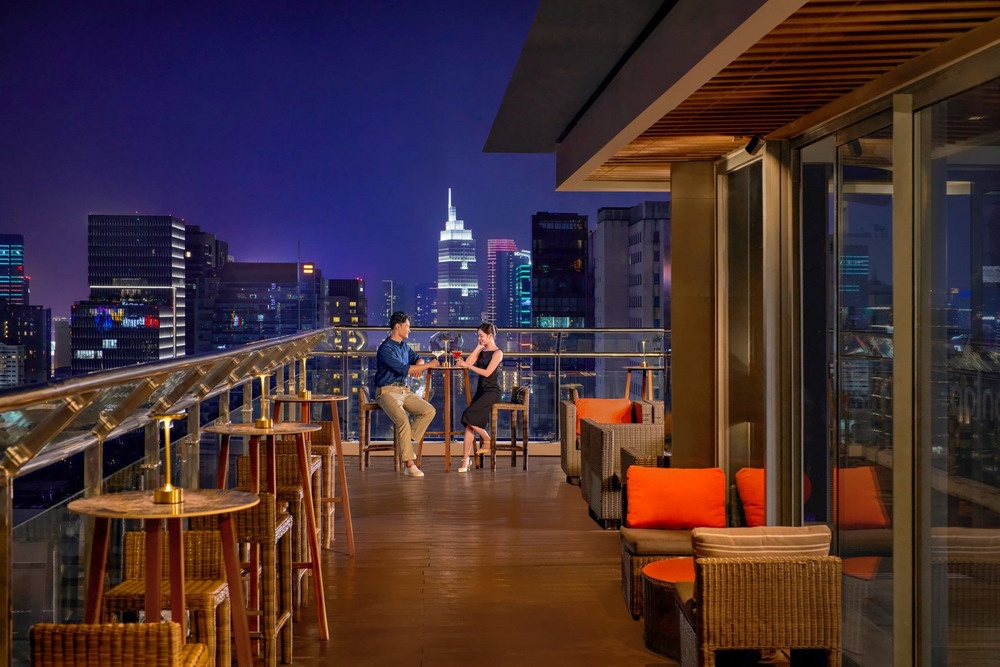
OnTop Bar is located on Level 20 of Novotel Saigon Centre and is open daily from 4:30 PM until midnight. Its elevated setting overlooking the city suits hotel guests, couples, small groups and business travellers looking to unwind after work.
First-time guests ordering at OnTop Bar can speak with the bartender and ask for recommendations. Whether the sweetness, base spirit or alcohol strength can be adjusted depends on the recipe, so confirm the available options with the staff before finalising your order.
OnTop Bar may offer Happy Hour promotions on selected drinks at different times. As the operating hours, participating drinks and conditions may be updated, guests should check the current information before visiting.
Useful references include:
- OnTop Bar venue information.
- Current offers at Novotel Saigon Centre.
- Restaurants and bars at Novotel Saigon Centre.
Guests who would like to dine before visiting the bar can consider Food Exchange Restaurant. Eligible room categories may also include access to the corresponding Premier Lounge benefits.
12. Frequently Asked Questions About Visiting a Bar for the First Time
12.1 Should You Order a Cocktail or Mocktail on Your First Visit?
Choose based on whether you want to consume alcohol. A mocktail is a complete drink in terms of flavour and presentation. To try a cocktail, describe your preferred flavours and ask about its relative alcohol strength before ordering.
12.2 Which Cocktails Are Suitable for Beginners?
There is no single cocktail that suits everyone. Beginners can ask about long drinks, highballs, spritzes or fruit-based cocktails. A Gin and Tonic, Whisky Highball, Mojito or sour-style cocktail may provide useful starting points when available on the menu.
12.3 Can You Visit a Bar if You Do Not Drink Alcohol?
Yes. You can order mocktails, mineral water, soft drinks, juices or other non-alcoholic beverages. The bar experience also includes the atmosphere, music, food and time spent socialising.
12.4 What Should You Say if You Do Not Know What to Order?
Explain that it is your first visit to a bar, then provide your preferred flavours, desired alcohol strength, ingredients to avoid and budget. The bartender can offer more useful recommendations when the request is specific.
12.5 How Much Does a First Visit to a Bar Cost?
The cost depends on the venue, drinks, food, taxes, service charges and transport. Check the latest menu, set a limit on the number of drinks and confirm any additional charges before ordering.
12.6 Is It Acceptable to Visit a Bar Alone?
Yes, provided the setting feels comfortable. Choose a seat with good visibility, keep personal belongings secure, share your plans with someone you trust and arrange transport home in advance.
12.7 Do You Need to Tip the Bartender?
Tipping depends on the culture and policy of each venue. It is not automatically mandatory. Remember that a tip is different from the service charge shown on the bill.
13. Choose the Right Drink With Confidence on Your First Visit
Choosing a drink at a bar does not begin with memorising a long list of cocktail names. It begins with understanding your own preferences. Decide whether you want alcohol, identify whether you prefer sour, sweet, fruity, sparkling or slightly bitter flavours, and then ask about the base spirit, alcohol strength and price.
A clear description is usually more effective than a general request such as, “Please give me the best drink.” Before confirming the order, check for allergens, taxes, service charges and any applicable promotional conditions.
At OnTop Bar, guests can follow this process to select a drink that suits their taste and budget while enjoying an elevated setting overlooking the city. Check the latest menu, operating hours and current promotions before planning a visit.
Novotel Saigon Centre
Address: 167 Hai Ba Trung, Xuan Hoa Ward, District 3, Ho Chi Minh City, Vietnam
Phone: (+84) 28 3822 4866
Email: h7965@accor.com
Website: www.novotel-saigon-centre.com
 Novotel Saigon Centre ☆☆☆☆
167 Hai Ba Trung, Xuan Hoa Ward, 700000 Ho Chi Minh City
Vietnam
Tel: (+84) 28 3822 4866
Email:
H7965@accor.com