Exploring the War Remnants Museum in Ho Chi Minh City

Novotel Saigon Centre
Languages

- English
- Tiếng Việt
- 简体中文
- See this hotel on all.accor.com or brand website in other languages :
Exploring the War Remnants Museum in Ho Chi Minh City
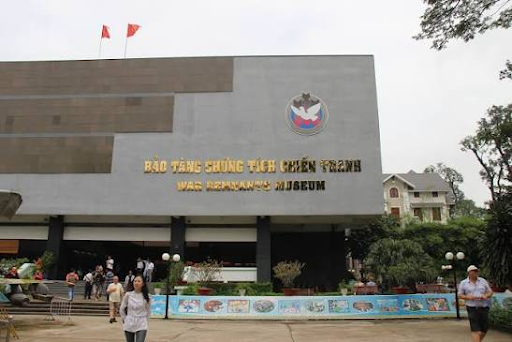
The War Remnants Museum is one of Ho Chi Minh City’s most notable historical attractions, preserving photographs, documents, and artefacts related to the wars in Vietnam and their lasting impacts. The museum offers visitors a deeper understanding of an important period that shaped the country’s modern history, making it a meaningful stop for those interested in culture, history, and local perspectives.
Located on Vo Van Tan Street, the museum is within easy reach of several central landmarks, including the Independence Palace, Notre-Dame Cathedral Basilica of Saigon, and the Saigon Central Post Office. Its convenient location makes it a suitable stop during a city exploration route starting from Novotel Saigon Centre.
What to know before visiting the War Remnants Museum
| Information | Details |
| Name | War Remnants Museum |
| Address | 28 Vo Van Tan, Xuan Hoa Ward, Ho Chi Minh City |
| Opening hours | 7:30 AM-5:30 PM daily |
| Ticket counter hours | 7:30 AM-5:00 PM |
| Standard admission | VND 40,000 per person per visit |
| Reduced admission | VND 20,000 per person per visit for eligible groups under museum regulations |
| Suggested visit duration | Around 1.5-3 hours, depending on the level of interest |
| Visitor services | Audio guide, guided tours for groups, food and beverage area, souvenir shop |
Visitors with limited time may want to prioritise the outdoor displays and the main exhibitions inside the museum. For those who prefer to read the documents carefully, view the photography collections and explore each subject in more depth, allowing around two to three hours is more suitable.
The museum also provides an audio guide service for visitors who want additional context while exploring independently. Some exhibition areas feature graphic wartime photographs and sensitive materials. Parents visiting with young children should consider the content carefully and choose sections that are appropriate for their child’s age.
How was the War Remnants Museum established?
The War Remnants Museum was established in September 1975 under its original name, the Exhibition House for US and Puppet Crimes. In 1990, it was renamed the Exhibition House for Crimes of War and Aggression, before later adopting its current name, the War Remnants Museum.
Over time, the museum expanded its research, collection, preservation and exhibition activities, focusing on documents, photographs and artefacts connected with war in Vietnam. Its exhibitions explore the consequences of war, international anti-war movements and individual human stories, while also conveying messages about the value of peace.
What is worth seeing at the War Remnants Museum?
The War Remnants Museum features a combination of indoor and outdoor exhibition spaces displaying documents, photographs and artefacts related to war in Vietnam. Rather than focusing only on military equipment, visitors may find it more meaningful to spend time with the individual exhibitions to better understand the historical context, the impact of war on civilians and the museum’s broader message about peace.
Outdoor military vehicles and artefacts
Within the museum grounds, visitors can see several large military vehicles and pieces of equipment, including aircraft, helicopters, tanks and artillery. The outdoor area provides a visually accessible introduction before visitors move into the indoor galleries.
The grounds also include artefacts and reconstructed spaces related to wartime detention conditions. Some of this content can be confronting, so families with young children may want to decide carefully which sections to visit.
The World Supporting Vietnam in Its Resistance Against the United States
This exhibition presents photographs, documents and artefacts relating to international anti-war movements and expressions of support for Vietnam from countries around the world. It allows visitors to view the conflict not only from a Vietnamese perspective, but also through international responses during the same period.
This space provides a diverse and contextual perspective, making it particularly valuable for international visitors who are discovering Vietnam’s 20th-century history for the first time.
War crimes and the consequences of Agent Orange
This is one of the museum’s most direct and emotionally challenging sections. Photographs, documents and artefacts focus on civilian casualties, the wider effects of war and the long-term consequences of Agent Orange for both people and the environment.
Some images may be difficult to view. Visitors may prefer to take their time reading the accompanying descriptions rather than trying to move through the entire exhibition quickly.
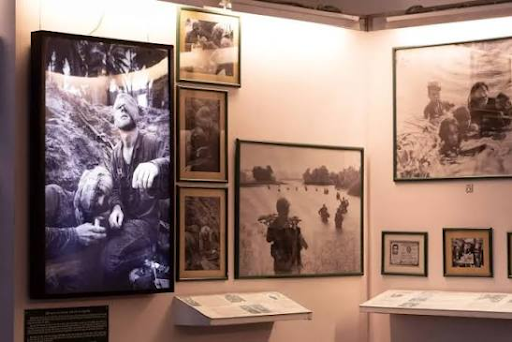
Historical Truths and Requiem
These exhibition spaces make extensive use of documents and photography to record moments from the war. In particular, photographs taken by war correspondents allow visitors to encounter history through specific stories of people, everyday life and the impact of conflict.
Compared with the outdoor military displays, the photography exhibitions offer a slower experience that requires more time for reading and observation. They are particularly suited to visitors interested in history through journalism and documentary photography.
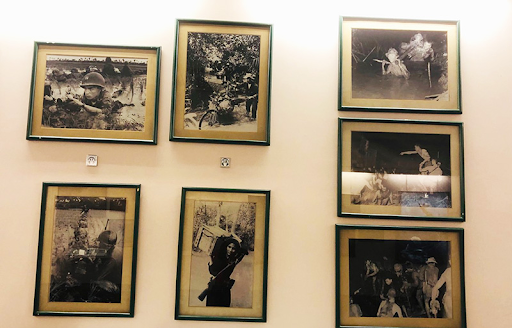
Vietnam – War and Peace
This exhibition broadens the narrative from war towards the values of peace and reflection on the past. Its materials connect historical events with themes of reconciliation, cooperation and the need to avoid similar consequences in the future.
This is a fitting conclusion to the entire sightseeing route, bringing together different perspectives of history while reflecting the values of reconciliation and peace.
Tips for visiting the War Remnants Museum
Allow around 1.5-3 hours depending on how closely you want to explore the documents and exhibitions. The museum contains many photographs, written materials and captions that take time to read, so it is better not to schedule the next attraction too closely afterwards.
What is the best time to visit?
The museum is open daily from 7:30 AM to 5:30 PM, with the ticket counter closing at 5:00 PM. Visiting in the morning or early afternoon gives enough time to explore without having to rush through the final sections.
For travellers planning several attractions in one day, the museum can be visited in the morning before continuing to Independence Palace and the architectural landmarks around the central area.
Is the audio guide worth using?
The audio guide is useful for independent visitors who want more background on the photographs, artefacts and exhibitions. It can be particularly helpful for international visitors or those learning about this period of Vietnamese history in detail for the first time.
Travellers with limited time may prefer to focus on the introductory panels in each section instead of listening to the full audio guide.
What should families with children keep in mind?
Some exhibitions contain direct images of casualties, Agent Orange victims and the consequences of war. Families with younger children may want to review the content of each area and choose sections that are appropriate for the child’s age.
The outdoor military displays and some of the broader historical exhibitions may be easier starting points before deciding whether to continue into more confronting sections.
Should tickets be purchased on-site or online?
Visitors can purchase tickets directly at the museum or use the online ticketing system provided by the museum. Buying at the ticket counter works well for flexible itineraries, while online booking can make it easier to prepare in advance.
When buying tickets online, check the visit date and ticket conditions carefully through the museum’s official system before making payment.
Suggested half-day itinerary from Novotel Saigon Centre
With its location at 167 Hai Ba Trung, Xuan Hoa Ward, Ho Chi Minh City, Novotel Saigon Centre offers convenient access to the War Remnants Museum and several central landmarks, making it easy to combine them into a half-day itinerary.
Start the morning at Novotel Saigon Centre before travelling to the War Remnants Museum and spending around 1.5-2 hours there. From the museum, continue to Independence Palace for more insight into the history of Ho Chi Minh City, then head towards Notre-Dame Cathedral Basilica of Saigon and Saigon Central Post Office.
After sightseeing, return towards the Hai Ba Trung area for a break or a meal at Food Exchange Restaurant. If the itinerary extends into the late afternoon or evening, OnTop Bar on level 20 of Novotel Saigon Centre provides a relaxed setting with city views after a day of sightseeing.
 Novotel Saigon Centre ☆☆☆☆
167 Hai Ba Trung, Xuan Hoa Ward, 700000 Ho Chi Minh City
Vietnam
Tel: (+84) 28 3822 4866
Email:
H7965@accor.com